Does Great Literature Make Us Better People?

Gregory Currie, author of this well-commented oped in New York Times, appears in the oped to have little interest in actually following through…. the piece comes across as lazy philosophy, making a trivial point and dressing it up as something profound…. he is doing exactly what he says is lazy… speculating and not measuring anything. To me even his speculation is lazy… why “great literature” instead of “regular literature”?  A hard question, for example, is whether the moral lessons of Junie B. Jones stick more than those of Dostoevsky…

Our FAVL project, “Youth of Tuy Reading” in southwestern Burkina Faso hopes to answer one version of this question.  (“Does contemporary West Africa youth literature – in French – change youth who have gone just a few years beyond poor quality primary schooling, and who are the among the most disadvantaged people in the world”).  We’ll keep you posted, preliminary results early next year.  If you are interested in improving the quality of the answer, please make a large donation to Friends of African Village Libraries… for JTL project, Jeunes du Tiy Lisent.  Mr. Currie, that means you.  Put your book royalties where your pen is… or as Hemingway said, is it all typing not writing?  (Large here means, oh, $27,500.)

Everything depends in the end on whether we can find direct, causal evidence: we need to show that exposure to literature itself makes some sort of positive difference to the people we end up being.

via Does Great Literature Make Us Better People? – NYTimes.com.
Posted in Reading | Comments Off on Does Great Literature Make Us Better People?

Why am I so skeptical about the cost – benefit outcome of the MCA rural land tenure project?

To me, after having seen the Programme Nationale de Gestion de Terroirs (PNGT), it seems like more of the same: a huge chunk of the budget goes into the shadowplay of per diems and training sessions, and everyone knows that little on the ground has really changed, except some aggressive agribusiness and connected figures take advantage and get a leg up on everyone else.  I’m more philosophically inclined to appreciate an outcome like “2.5 million pieces of paper with some sort of land title delivered to villagers” than “25000 rural residents (i.e. teachers, delegates, and other people connected to get the per diems) participated in training sessions”… the first changes the trajectory in millions of small ways, the second is pretty much guaranteed to reward the wrong people.

Pour cette 2e phase, le projet sécurisation foncière du Millénium challenge account (MCA) du Burkina élargit la zone d’intervention à 47 communes, soit les 17 communes pilotes de la phase 1 et 30 nouvelles communes. Ainsi, l’atelier de Kombissiri avait pour objectif de recueillir les réactions et recommandations des acteurs au niveau central, notamment les institutions ayant des accords de mise en œuvre du Compact sur ce plan d’intervention dans les 47 communes concernées. Cette phase 2 s’étend jusqu’en juillet 2014.

I am not against per diems, obviously people need to be compensated, but most of the sessions people attend are pretty worthless as a general rule.  Heck, we even debate whether university lectures in the richest most educated communities of the world have any effect… imagine then someone reading a French document to a group of non-French speaking villagers, in a monotone with no eye contact…

via Projet de sécurisation foncière : le MCA lance la deuxième phase dénommée LPT45 – leFaso.net, l’actualité au Burkina Faso.

Posted in Economy | Comments Off on Why am I so skeptical about the cost – benefit outcome of the MCA rural land tenure project?

Stylish and sexy… that’s us!

Elliot, Leslie and I were just at Villa Kaya four days ago… Elliot in bathing suit having a sprite, Leslie and I very dusty… we didn’t feel…. no, we were, people kept glancing over at our table… I may even have heard the word chouette describing Elliot!  Seriously, a nice place three blocks from our house.  The owners deserve lots of credit for trying… young hipster entrepreneurs… Hope they succeed.

We were having cocktails at Villa Kaya, an upscale tapas bar that had, since opening some months before, been adopted as the nightspot du jour for Ouaga’s energetic expat community. The tables were set in a sandy courtyard shaded by towering neem trees. The walls were painted blood red and hung with West African objets d’art. Everything looked stylish, sexy — chouette, cool, in the parlance of the French girls chattering at the table. It was decidedly unlike anything either of us — my companion, a longtime resident, had recently repatriated to Paris — had seen in Ouagadougou before.

via Ouagadougou’s unruffled rhythms – The Washington Post.

Posted in Burkina Faso, Culture | Comments Off on Stylish and sexy… that’s us!

Respect? Mais pour qui?

Ancien président du Sénégal, maintenant secrétaire général de l’Organisation internationale de la francophonie, mais il semble ne pas avoir lu aucun roman africain depuis ses jours de collegien… Et Mabanckou?  Monénembo? Kourouma? Khadra? Achebe?  Oubliez-les… chez M. Diouf c’est toujours Corneille et Racine.  On comprend donc pourquoi les jeunes de l’Afrique de l’ouest ne lisent pas.

Quel a été votre premier émoi littéraire?

En classe de sixième, j’ai été particulièrement ému à la lecture du Cid de Corneille. Ce fut un grand moment dans ma vie de collégien. Aujourd’hui encore, certaines phrases me reviennent: «Nous partîmes cinq cents; mais par un prompt renfort, nous nous vîmes trois mille en arrivant au port…», «Que peut-on m’ordonner que mon bras n’accomplisse?», «À qui venge son père, il n’est rien d’impossible», «Jamais nous ne goûtons de parfaite allégresse: nos plus heureux succès sont mêlés de tristesse.» Bien entendu, nous avons aussi dû lire tous les classiques comme Racine, Molière, sans oublier ce géant de la littérature qu’était Victor Hugo.

Quelle a été l’importance du livre de l’enfance à l’âge adulte?Vos influences?

Le livre a représenté pour le jeune Sénégalais que j’étais une formidable ouverture sur le monde. Par la langue française, qui est la langue officielle du Sénégal grâce à Léopold Sédar Senghor, j’ai pu avoir accès à tous les grands auteurs francophones, dans des domaines aussi différents que l’histoire, les sciences, la philosophie et, bien sûr, la littérature. Jeune étudiant, j’ai notamment été influencé par Montesquieu.

Quels sont les titres qui vous ont marqué, les auteurs que vous appréciez le plus?

J’aime beaucoup Victor Hugo, Racine, Corneille. Quelqu’un a dit que Corneille peint les hommes tels qu’ils devraient être; Racine les peint tels qu’ils sont. Par mon exigence éthique, ma recherche de la vertu et de l’héroïsme, je préfère Corneille pour les thèmes qu’il développe! Bien entendu, j’aime l’œuvre de Léopold Sédar Senghor, mon père spirituel et mon maître, comme celle de Césaire. J’apprécie aussi beaucoup les écrivains africains, comme Birago Diop: un écrivain sénégalais qui, tout en écrivant en français, arrive à vous faire pénétrer dans l’esprit de notre civilisation. Son écriture est telle qu’on a l’impression d’entendre les intonations de nos langues nationales… Enfin, il y a Hampâté Bâ, un écrivain malien qui a écrit Amkoullel l’enfant peul, un très beau récit. C’était un homme très tolérant, très ouvert. Il est venu me rendre visite, une fois, à Dakar.

Que lisez-vous en ce moment? En avez-vous seulement le temps?

Mon emploi du temps ne me laisse, il est vrai, que peu de temps pour la lecture. Je lis beaucoup de littérature spirituelle, qui est plus reposante pour l’esprit et qui, d’une manière générale, nous pousse à nous interroger sur le sens de la vie. La Bible et le Coran sont deux textes essentiels à mes yeux. Autrement, pour me distraire avant de dormir, j’avoue lire et relire les bandes dessinées d’Astérix ou d’Iznogoud, dont je reste un inconditionnel!

via Malijet Entretien avec … Abdou Diouf, à propos de la lecture Mali Bamako.

Posted in Culture | Comments Off on Respect? Mais pour qui?

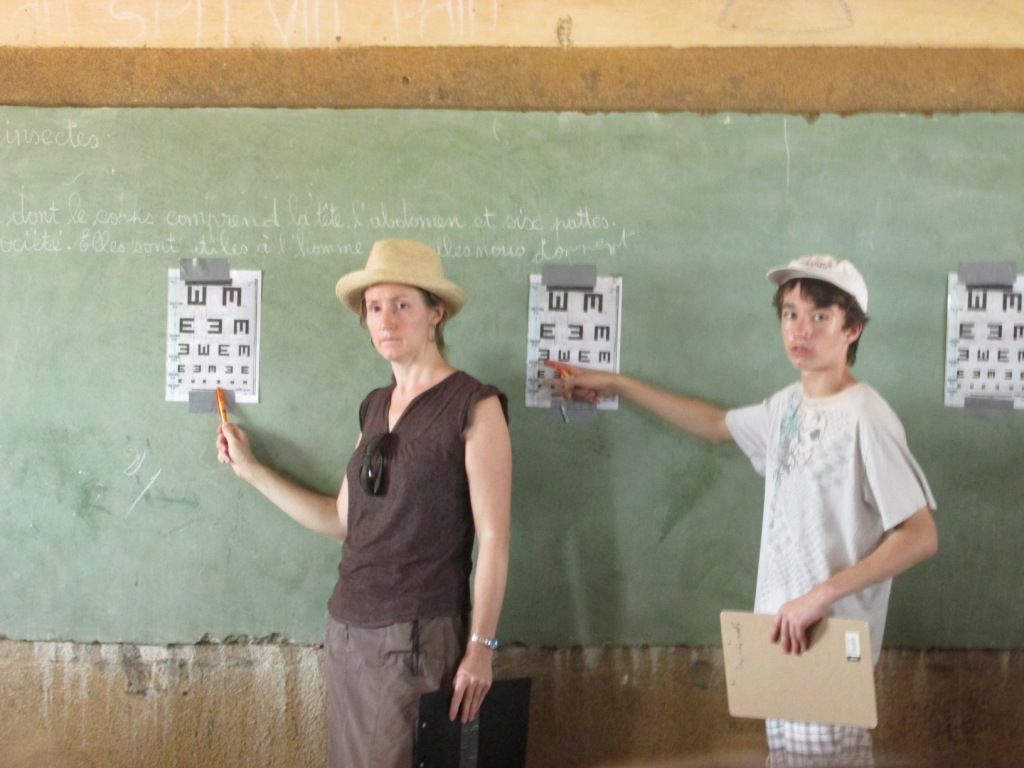
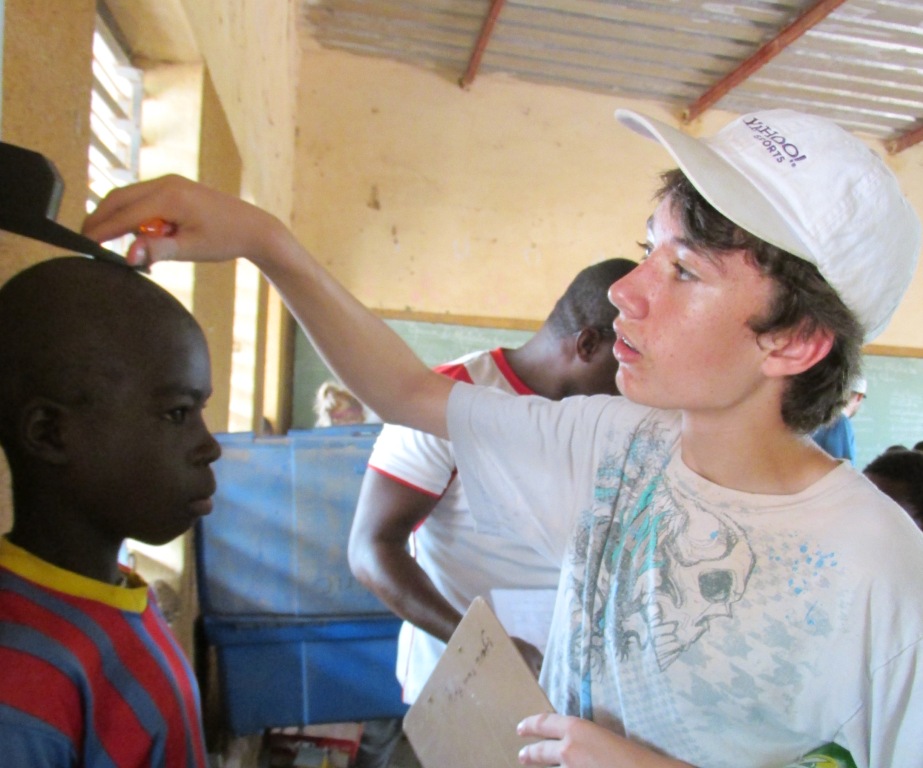
Elliot and Leslie help Peter van Dingenen in a village health clinic for kids

Dr. Peter is a great, very dedicated, public health social entrepreneur.  Doing all the good stuff.  Leslie and Elliot were very grateful to have the chance to help out in a really efficient and effective way.

elliot measuring elliot eye chart

Posted in General | Comments Off on Elliot and Leslie help Peter van Dingenen in a village health clinic for kids

Not Africa… Burkina Faso, specifically Bobo-Dioulasso… you find the weirdest things on the web

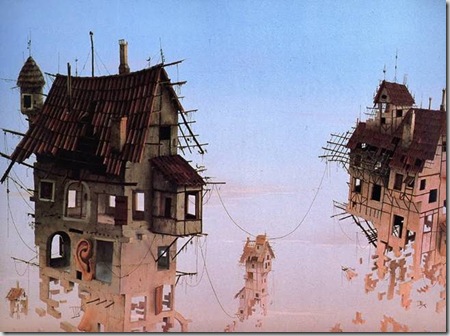
Jacques Resch (1945 – ) is a French born artist who lives in Africa.

He began painting as a child. At around three or four years of age, his mother entered his drawings in a contest where he won first prize. At seven years old, his mother enrolled him in art courses.

When Resch began looking at college, he met Jean Raymond Bessil, an artist and art teacher, who advised him not to enter art school, telling him that if his creative force was strong enough, than he did not need to take lessons.

via OLTRE IL MURO: ARTE e FOTOGRAFIA: JACQUES RESCH.

Posted in General | Comments Off on Not Africa… Burkina Faso, specifically Bobo-Dioulasso… you find the weirdest things on the web

Pranab Bardhan pulls his punch (a lot?)

Those studies, largely performed in the 1970s and ’80s, used data to discuss how land tenure (say, sharecropping) affects farm productivity, how different types of labor relations in agriculture affect wages and employment of poor workers, how interlocking land-labor-credit relations with the landlord-employer-creditor trap workers in poverty, and how security of ownership rights affects productivity and investment. These studies also explored the role of credit arrangements in risk pooling and how land inequality hinders resolution of conflicts in the management of village commons—forests, fisheries, irrigation water, grazing lands, etc. All of this research concerned the livelihoods of the majority of poor people working in agriculture and related occupations. Yet the new development economics fighting global poverty finds no use for it.

I think what he meant to say was that these older studies showed how poor people were fucked, and the new RCT approach doesn’t really care much for that distasteful idea. Nobody who studies RCTs says “Why don’t we just take Chris Hughes’ money away, right now?”  They say, “If we ask Chris Hughes very nicely, and entertain him with data, maybe he’ll give us some.”  I wonder if Hughes is even aware that he is “giving” his millions to poor Kenyans while Uhuru Kenyatta, Kenya’s wealthiest man and current ICC-indicted President, rakes it back in?

via Boston Review — Pranab Bardhan: Little, Big.

Posted in Development thinking | Comments Off on Pranab Bardhan pulls his punch (a lot?)

Is It Better to Walk or Run? We have no idea is the correct answer, irresponsible NY Times reporting notwithstanding

Textbook! Let me see if I understand… a self-selected sample of walkers and runners, with no randomized treatments at all, is being “plumbed” by “new science” to make generalizations for people who are neither walkers nor runners already….  And then without a blush, the reporter goes on to note that the “versatile” sample is being used to test for differences in all sorts of outcomes… heck, I bet running causes people to have last names that are more likely to start with letters in the upper half of the alphabet… or maybe it’s their first name? Middle name? Name of father?

But on other measures of health, new science shows that walking can be at least as valuable as running — and in some instances, more so. A study published this month that again plumbed data from the Runners and Walkers Health Study found that both runners and walkers had equally diminished risks of developing age-related cataracts compared to sedentary people, an unexpected but excellent benefit of exercise.

via Is It Better to Walk or Run? – NYTimes.com.

Posted in United States | Comments Off on Is It Better to Walk or Run? We have no idea is the correct answer, irresponsible NY Times reporting notwithstanding

Nice analysis that about says it all re. Pres. succession in 2015

Mais le Burkina n’est pas le Sénégal. La société civile n’y est pas aussi soudée contre le pouvoir – le président jouit du soutien des autorités religieuses et de la chefferie, sans parler du patronat -, et l’opposition n’y a pas le même poids, loin s’en faut.

via Burkina Faso : comptes et décompte | Burkina Faso : l’obsession présidentielle | Jeuneafrique.com – le premier site d’information et d’actualité sur l’Afrique.

Posted in Politics | Comments Off on Nice analysis that about says it all re. Pres. succession in 2015

Jean-Pierre Bejot brings people back to earth about Cote d’Ivoire

L’ex-ministre de l’économie, Moïse Koumoué Koffi (« Politique économique et ajustement structurel en Côte d’Ivoire », L’Harmattan, Paris, 1994) et, avant lui, Samir Amin (« Le développement du capitalisme en Côte d’Ivoire », Editions de Minuit, Paris, 1967), ont analysé la réussite de la Côte d’Ivoire et ses limites. « Cette réussite reposait essentiellement sur des cultures extensives de plantations dont les rendements n’allaient pas tarder à baisser. La politique de l’import-substitution, fondée sur des industries légères à la rentabilité immédiate mais vite condamnées à plafonner, n’allaient pas tarder non plus à épuiser ses effets », écrira, en 1994, dans un ouvrage consacré à Félix Houphouët-Boigny mais jamais publié, l’économiste guinéen et journaliste Mamadou Alpha Barry (qui s’est illustré, depuis, en commentant la pensée économique d’Abdoulaye Wade). « Les autorités ivoiriennes ont prévu la parade, écrira Barry. Elles se sont efforcées de promouvoir une deuxième génération d’industries. De grands projets de complexes textiles, sucriers, de pâte à papier sont lancés dès 1972. Ce sont des unités de grande dimension, à forts effets d’entraînement, dont les produits seraient compétitifs sur les marchés étrangers, en particulier ceux des pays industrialisés ». Sauf que, « fort malheureusement, tous les projets prévus ne seront pas réalisés, faute de financements ».

via La gestion « stratosphérique » d’Alassane Ouattara : 2020 plutôt que l’immédiat ! – leFaso.net, l’actualité au Burkina Faso.

Posted in Development thinking | Comments Off on Jean-Pierre Bejot brings people back to earth about Cote d’Ivoire

Down to a more reasonable $33,000 per car – Compte rendu du Conseil des ministres du 28 mai 2013

Better than the $100,000 cars…. almost reasonable.  I still think the country ranked #174 out of 178 in HDI could buy $10,000 cars for government officials to go about their business in what is essentially a single city.   Heck we’ve been running FAVL for 6 years now on a couple of $4,000 190Ds.  But why do that when World Bank keeps shoveling in the money?  Just saying.

Africa Motors pour l’acquisition de 35 véhicules d’un montant de quatre cent quatre vingt quatorze millions neuf cent mille dix 494 900 010 FCFA TTC.Diacfa Automobiles pour l’acquisition de 24 véhicules d’un montant de cinq cent vingt trois millions trois cent dix neuf mille neuf cent quatre vingt huit 523 319 988 FCFA TTC.

via Compte rendu du Conseil des ministres du 28 mai 2013 « A La Une « Burkina24 – L’Actualité du Burkina 24h/24.

Posted in Economy | Comments Off on Down to a more reasonable $33,000 per car – Compte rendu du Conseil des ministres du 28 mai 2013

No shortage of dumb aid and dumb reporting

Actually it isn’t that hard to do good.  About the same as not being dumb.  FAVL is run by two PhDs… come and report on us, we dare you.  Whassa matter, Ouagadougou too scaaaary???? My ten year old can handle it, why can’t you?

Planet Money listeners were moved to donate some $3,000, which the principal of the school thought would be enough to build a school. A few months later, the money was gone, and all there was to show for it was .

We thought that would be the end of it. Then we heard from Tim Myers, a retired contractor from Colorado who decided to go to Haiti to build the school — and who realized, in 2011, that .

via Episode 460: It’s Hard To Do Good : Planet Money : NPR.

Posted in Economy | Comments Off on No shortage of dumb aid and dumb reporting

Laugh or cry?

I was reminded of what a colleague who had left a university after 23 years replied when I asked him if it was difficult to do. He said, “It was like checking out of a motel.”

via Moving On – NYTimes.com.

Posted in Culture | Comments Off on Laugh or cry?

Yes, yes but what is the cost-effectiveness? Has the impact been verified?

When I was in the sixth form we were taken on a school visit to see Ted Hughes at the Yorkshire Playhouse. I remember sitting in the front row and tittering as the tall man stepped out from the curtain and strode towards the one stool on the stage. He was not the commanding figure we’d expected….

But then he sat on the stool and began reading. He had a Yorkshire accent to our surprise, and a voice of rolling warmth and power. He began reading The Thought Fox and it was as if someone had turned a key in my back. ‘I imagine this midnight moment’s forest….’

Our school trip to see Hughes changed my life. I wanted to be a writer. I think I knew this already but in that badly-lit theatre, listening to Hughes murmuring ‘the window is starless still, the clock ticks, the page is printed,’ I knew it with a sense of dread certainty.

Back to The Thought Fox again, and the power of what we can imagine and how it creates reality. ‘Brilliantly, concentratedly coming about its own business’. Writers’ visits to schools shouldn’t be a luxury, an add-on, only for well-off schools that can afford them. The arts are as essential a subject as any we have. Sometimes a visiting artist or writer, a trip to the theatre can change lives. I am grateful to Hughes and to poetry for saving mine.

via Jill Dawson on the impact writers can have on young people | Arvon Blog.

Posted in Development thinking | Comments Off on Yes, yes but what is the cost-effectiveness? Has the impact been verified?

What does the ideal school look like?

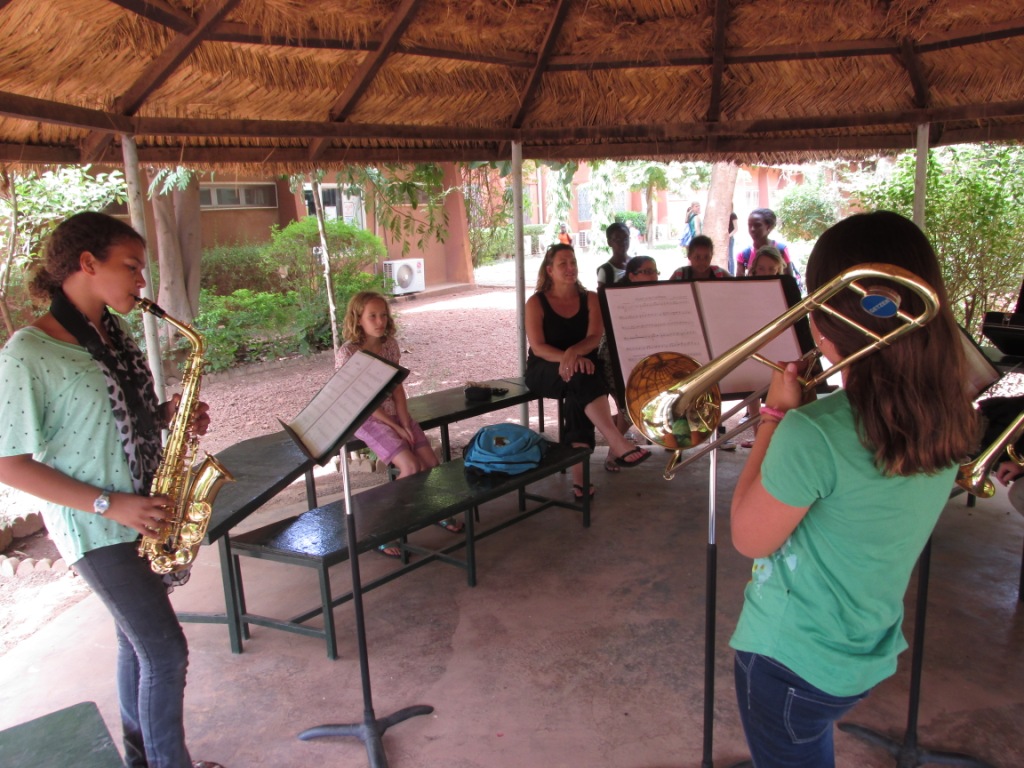
Secondary students perform at locations throughout the school for the primary students and parents.  International School of Ouagadougou.  Impressive!

ISO music small

Posted in General | Comments Off on What does the ideal school look like?

Great just what ordinary people in South Sudan need…

Une autre personnalité cultive depuis de nombreuses années des relations ambigües avec le Soudan : Erik Prince. Le fondateur de la société militaire privée Blackwater, controversée pour ses méthodes musclées, notamment en Irak, s’est reconverti dans le conseil après avoir revendu sa compagnie. Basé depuis 2010 à Abu Dhabi, il lance une nouvelle entreprise, Frontier Ressource Group, pour faire commerce de ses bonnes idées sur la gestion du risque dans certains pays : Somalie, République démocratique du Congo et Soudan du Sud.Gardant ses bonnes habitudes, cet ancien Navy Seal une unité de commandos d’élite de l’armée américaine puise chez d’anciens marines le gros de sa troupe. Il s’entoure d’un spécialiste des matières premières, Gregg Smith, passé par la 2nd Marine Divison, et le géant de l’audit financier Deloitte. Il récupère aussi Paul Habenicht, un ancien chef d’unité sniper en Afghanistan et en Irak. Enfin, il débauche chez la société militaire privée Saladin un jeune prodige sorti de la prestigieuse université de Georgetown US, Rachel Braun, spécialiste du lobbying pétrolier et du Sud-Soudan.

via De DSK aux ex-mercenaires de BlackWater, pourquoi misent-ils tous sur le Soudan du Sud ? – Soudan du Sud – RFI.

Posted in Development thinking | Comments Off on Great just what ordinary people in South Sudan need…

e-commerce in Nigeria

Two startups offering delivery via e-commerce…. 12 million people in Lagos is a lot of potential customers…

A l’heure où les économies africaines comme celle du Nigeria décollent, les consommateurs et une classe moyenne émergente participent de plus en plus à la croissance du continent. Et comme dans n’importe quel pays du monde développé, cette classe moyenne fait désormais ses courses en ligne.

Malgré une population de 160 millions de personnes, le Nigeria compte peu de magasins de qualité. Internet se développe rapidement. Konga et Jumia, des sites de vente en ligne similaires à Amazon, traitent près de mille commandes par jour à eux deux, six mois seulement après leur lancement. En proposant de tout, des sous-vêtements à l’iPad, et en permettant aux clients de payer en espèces à la livraison, ces nouvelles entreprises et leurs investisseurs étrangers pensent pouvoir rafler une part importante du marché de la consommation.

L’appétit de la classe moyenne

Sim Shagaya, un entrepreneur nigérian, a fondé Konga en juillet 2012 dans un quatre pièces, avec une vingtaine de salariés. La société emploie aujourd’hui 150 personnes et dispose d’un vaste entrepôt à Lagos, bourré de vêtements, livres, DVD, congélateurs, téléviseurs à écran plat, jouets et cosmétiques. Konga possède un autre dépôt à Abuja, la capitale fédérale, et un à Port Harcourt. Ils peuvent effectuer des livraisons n’importe où dans le pays en moins de cinq jours.

Pour Sim Shagaya, la réussite rapide de Konga témoigne de l’appétit de la classe moyenne du Nigeria, dont le PIB croît de plus de 6 % par an depuis 2006. Les problèmes d’infrastructures du pays et le manque de qualité des magasins participent également à son succès. Si plusieurs centres commerciaux à l’occidentale se sont ouverts au cours des dernières années, le prix du terrain et le manque de place dans les villes très peuplées comme Lagos entravent le développement de la distribution.

Lagos, avec ses 12 millions d’habitants, ne compte que deux centres commerciaux aux normes internationales, selon le fonds d’investissement privé Actis. En outre, les embouteillages fréquents n’incitent pas vraiment les gens à sortir de chez eux.

via L’entrée fracassante du e-commerce au Nigéria | Africa Diligence.

Posted in Development thinking | Comments Off on e-commerce in Nigeria

Dictator Game Results Artifacts? Duh?

And that is what Winking and Mizer did in a paper now in press and available online (paywall) in Evolution and Human Behavior, using participants, fittingly enough, in Las Vegas. Here’s what they did. Two confederates were needed. The first, destined to become the “recipient,” was occupied on a phone call near a bus stop in Vegas. The second confederate approached lone individuals at the bus stop, indicated that they were late for a ride to the airport, and asked the subject if they wanted the $20 in casino chips still in the confederate’s possession, scamming people into, rather than out of money, in sharp contradiction of the deep traditions of Las Vegas. The question was how many chips the fortunate subject transferred to the nearby confederate.

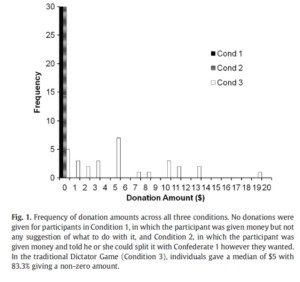
Figure 1 from Winking & Mizer, in press.

….

In a second condition, the confederate with the chips added a comment to the effect that the subject could “split it with that guy however you want,” indicating the first confederate. This condition brings the study a bit closer, but not much closer, to lab conditions, In a third condition, subjects were asked if they wanted to participate in a study, and then did so along the lines of the usual DG, making the treatment considerably closer to traditional lab-based conditions.

Figure 1 shows how many chips people give away in the DG in the three treatments. In conditions 1 and 2, the number of people (out of 60) who gave at least one chip to the second confederate was… zero. To the extent you think that this method answers the question, how much Dictator Game giving is due to people knowing they’re in an experiment, the answer is, “all of it.”

via Are All Dictator Game Results Artifacts? | Evolutionary Psychology.

Posted in Development thinking | Comments Off on Dictator Game Results Artifacts? Duh?

This movie sounds so good why can’t I be at Cannes right now?

C’est l’histoire d’un jeune que je connais qui a été menacé avec un pistolet pour cause d’histoire de petit trafic de drogue et qui a failli en fait se faire tuer. C’est ça l’histoire. C’est parti de cette histoire vraiment vécue. Donc une histoire de série B. Je ne voulais pas complètement tomber dans le polar et je suis tombé sur Souleymane Démé, danseur burkinabè et qui m’a permis en fait d’éviter un peu les côtes du polar et de faire une sorte de film qui tutoie par moment le polar et qui n’est jamais un polar, et qui est en même temps un drame social. Je fais l’amalgame de pas mal de choses.

via Mahamat-Saleh Haroun : «En Afrique, la jeunesse est toujours à la marge» – 66E Festival de Cannes – RFI.

Posted in Culture | Comments Off on This movie sounds so good why can’t I be at Cannes right now?

Bongnessan Arsène Yé justifies the Senate

D’abord, la création du Sénat permettra de faire participer les collectivités territoriales à l’élaboration des lois. Cette option de faire participer les entités locales rappelle l’esprit du bicaméralisme dans les Etats fédéraux. A cet effet, la représentation des régions se fera de façon égalitaire. En effet, chacune des 13 régions sera représentée par trois Sénateurs. Plus que trois par régions conformément au souhait de certains, on se retrouverait, à en croire le ministre Yé, avec un Sénat politisé à outrance du fait de la forte influence partisane.

Par ailleurs, le Sénat permettra de faire participer la chefferie traditionnelle et coutumière, les communautés religieuses, les forces de productions et les burkinabè vivant à l’étranger, au processus d’élaboration de la loi et au contrôle de l’action gouvernementale. En effet, les sénateurs peuvent aussi, tout comme les députés, interpeller le gouvernement sur la base de questions écrites, de questions orales avec ou sans débat.

via Point de presse du gouvernement : Le Sénat et le nouveau calendrier des examens scolaires au menu – leFaso.net, l’actualité au Burkina Faso.

Posted in Politics | Comments Off on Bongnessan Arsène Yé justifies the Senate